Financial Technology (Fintech): Its Uses and Impact on Our Lives
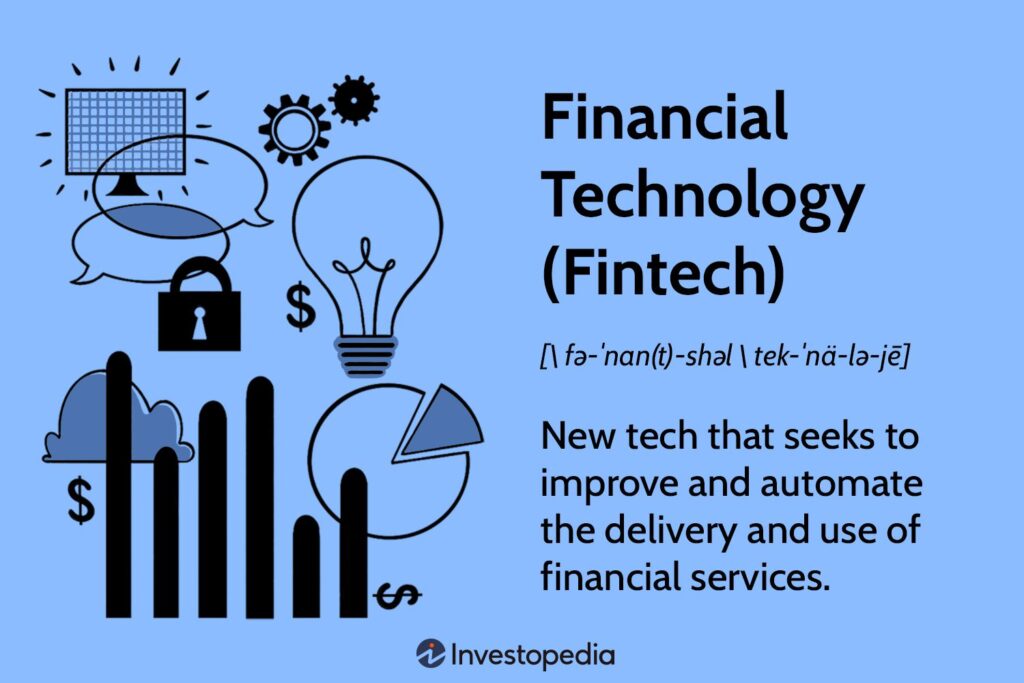
Fintech Revolution: How Financial Technology is Transforming Our Lives
SEO Title:
Fintech Revolution: How Financial Technology is Transforming Banking, Investing, and Everyday Finance
Meta Description:
Discover how financial technology (fintech) is reshaping banking, investing, and personal finance. Learn about key innovations, regulatory challenges, and its impact on AI, crypto, and business.
Introduction
Financial technology (fintech) is revolutionizing how we manage money, from mobile banking to cryptocurrency trading. By leveraging cutting-edge software and algorithms, fintech streamlines financial services, making them more accessible, efficient, and user-friendly. While traditional banking still dominates the market, fintech startups are disrupting industries with innovative solutions for loans, investments, and digital payments.
Key Facts and Trends in Fintech
- Widespread Adoption: In 2023, nearly 50% of American households used mobile banking, and half utilized payment apps like Venmo or PayPal.
- Global Growth: North America leads in fintech startups, followed by Asia and Europe.
- Venture Funding Boom: Fintech startups have raised billions in venture capital, with many becoming unicorns (privately held companies valued at over $1 billion).
- Regulatory Scrutiny: Governments are tightening oversight on data privacy, cryptocurrency, and nonbank financial activities.
Real-World Applications of Fintech
Fintech startups are challenging traditional financial institutions by offering faster, more affordable services:
- Affirm provides short-term loans for online purchases, reducing reliance on credit cards.
- Better Mortgage offers digital-only home loan approvals within 24 hours.
- Tala uses smartphone data to provide microloans to underserved consumers in developing markets.
- Robinhood revolutionized stock trading with commission-free transactions.
- Peer-to-peer (P2P) lending platforms like LendingClub and Prosper connect borrowers directly with investors.
The Growing Influence of Fintech Across Industries
Fintech is breaking down financial barriers by simplifying transactions and reducing costs. Key areas of innovation include:
- Cryptocurrency & Blockchain: Bitcoin, Ethereum, and NFTs rely on decentralized ledger technology.
- Open Banking: Apps like Mint aggregate financial data for better money management.
- Insurtech: AI-driven insurance platforms personalize policies and claims processing.
- Regtech: Helps financial firms comply with anti-money laundering (AML) and Know Your Customer (KYC) regulations.
- Robo-Advisors: Automated investment platforms like Betterment offer low-cost portfolio management.
- Cybersecurity: Protects against fraud in digital transactions.
How Emerging Technologies Empower Fintech
Artificial intelligence (AI) and machine learning are transforming fintech by:
- Enhancing Fraud Detection: AI analyzes transaction patterns to flag suspicious activity.
- Improving Customer Service: Chatbots handle inquiries, reducing operational costs.
- Personalizing Financial Advice: AI-driven apps learn user behavior to optimize spending and savings.
Who Benefits from Fintech?
Fintech serves four main groups:
- Consumers – Especially Gen Z and millennials, who prefer digital banking and investing.
- Businesses – Startups and SMEs access faster loans and payment solutions.
- Financial Institutions – Banks and insurers adopt fintech to stay competitive.
- Unbanked/Underbanked Populations – Fintech promotes financial inclusion through microloans and mobile banking.
Navigating the Regulatory Landscape
Fintech faces strict regulations due to concerns over data privacy and financial stability. Key challenges include:
- Cryptocurrency Oversight: Unregulated initial coin offerings (ICOs) have led to fraud.
- Nonbank Financial Activities: Governments are tightening rules on fintech firms operating outside traditional banking.
- Global Compliance: Different regions have varying regulations, complicating fintech expansion.
Expert Reactions and Future Outlook
Industry experts highlight both opportunities and risks:
“Fintech is democratizing finance, but regulators must balance innovation with consumer protection.” – U.S. Department of the Treasury
“AI and blockchain will further disrupt traditional banking, making financial services more efficient and inclusive.” – Fintech Analyst, 2025 Report
Conclusion
Fintech is reshaping the financial landscape, offering faster, cheaper, and more accessible services. While challenges like regulation and cybersecurity persist, its impact on AI, crypto, and business innovation is undeniable. As technology evolves, fintech will continue to redefine how we manage money in the digital age.
SEO Optimization Notes:
- Target Keywords: Fintech, financial technology, AI in finance, cryptocurrency, mobile banking, digital payments.
- Internal Links: Include hyperlinks to related articles on AI, crypto, and banking regulations.
- Engagement: Encourage readers to explore fintech apps and share their experiences.
This article provides a comprehensive yet concise overview of fintech’s impact, optimized for search engines and reader engagement.