I just learned what “post-quantum VPN” actually means and the…
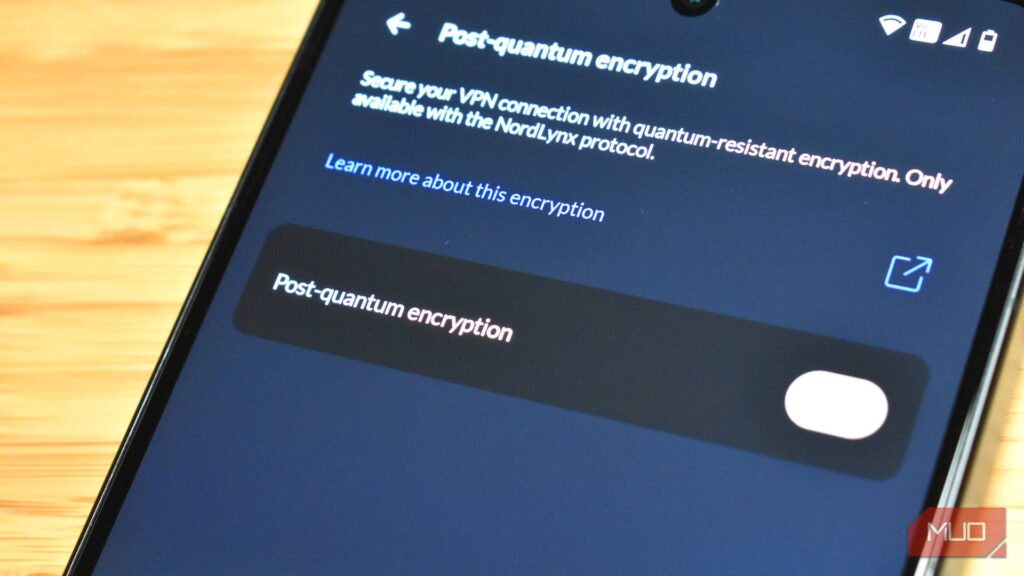
I Just Learned What “Post-Quantum VPN” Actually Means—and Why It’s a Game-Changer
SEO Title:
Post-Quantum VPNs Explained: The Future of Secure Online Privacy
Meta Description:
Discover what post-quantum VPNs are, how they protect against quantum computing threats, and why they’re essential for future-proofing your online security.
Introduction
If you’ve ever heard the term “post-quantum VPN” and assumed it was just another marketing buzzword, you’re not alone. However, post-quantum encryption is far from a gimmick—it’s a critical advancement in cybersecurity designed to protect data against the looming threat of quantum computing.
In this article, we’ll break down what post-quantum VPNs are, how they work, their benefits, and why they’re becoming essential for businesses, financial institutions, and everyday internet users.
What Is a Post-Quantum VPN?
A post-quantum VPN is a virtual private network that uses encryption algorithms resistant to attacks from quantum computers. Traditional encryption methods, such as RSA and ECC, rely on mathematical problems that classical computers struggle to solve. However, quantum computers can break these algorithms with ease, making them obsolete in the near future.
Post-quantum encryption leverages new mathematical structures—like lattice-based cryptography—that quantum computers cannot easily decipher. This ensures that even if quantum computing becomes mainstream, your data remains secure.
Key Features and Benefits
1. Quantum-Resistant Encryption
Post-quantum VPNs use algorithms like Kyber, Dilithium, and SPHINCS+, which are designed to withstand quantum attacks. These algorithms replace traditional encryption methods with ones that are computationally infeasible for quantum computers to crack.
2. Hybrid Encryption for Extra Security
Most post-quantum VPNs use a hybrid approach, combining traditional encryption (like AES-256) with post-quantum algorithms. This means that even if one layer is compromised, the other remains intact, ensuring multi-layered security.
3. Future-Proofing Your Data
Since quantum computers can retroactively decrypt old data, post-quantum encryption ensures that sensitive information—such as financial records, legal documents, and medical data—stays secure for decades.
4. Compatibility with Existing VPN Protocols
Many VPN providers are integrating post-quantum encryption into existing protocols like WireGuard and NordLynx, ensuring seamless adoption without sacrificing speed or performance.
Use Cases for Businesses and Finance
1. Secure Financial Transactions
Banks and financial institutions handle highly sensitive data daily. Post-quantum VPNs ensure that transactions, customer records, and internal communications remain protected against future quantum threats.
2. Protecting Intellectual Property
Companies investing in research and development must safeguard their trade secrets. Post-quantum encryption prevents competitors or cybercriminals from decrypting stolen data in the future.
3. Government and Military Communications
Governments and defense agencies rely on encryption to protect classified information. Post-quantum VPNs ensure that even if quantum computers advance, national security remains intact.
4. Long-Term Data Storage
For businesses storing data for compliance or historical purposes, post-quantum encryption ensures that archived information remains unreadable by future quantum-powered attackers.
Setup Process and Cost
How to Get Started with a Post-Quantum VPN
- Choose a VPN Provider: Look for providers like NordVPN, ProtonVPN, or ExpressVPN, which have already implemented post-quantum encryption.
- Enable Post-Quantum Settings: Some VPNs allow users to manually enable quantum-resistant encryption in their settings.
- Update Your Devices: Ensure all connected devices support the latest encryption standards.
Cost Considerations
Most premium VPNs offer post-quantum encryption as part of their standard or advanced plans. Pricing typically ranges from $5 to $15 per month, depending on the provider and subscription length.
Comparison with Alternatives
| Feature | Traditional VPN | Post-Quantum VPN |
|---|---|---|
| Encryption Strength | Vulnerable to quantum attacks | Resistant to quantum attacks |
| Speed | Fast | Slightly slower (due to hybrid encryption) |
| Future-Proofing | No | Yes |
| Compatibility | Works with most devices | Requires updated software |
| Cost | Affordable | Slightly more expensive (premium plans) |
Conclusion: Why Post-Quantum VPNs Matter Now
While quantum computers may not be mainstream yet, the threat they pose to encryption is real. Post-quantum VPNs provide a proactive solution, ensuring that your data remains secure today and in the future.
If you handle sensitive information—whether for business, finance, or personal use—switching to a post-quantum VPN is a smart investment in long-term security.
Final Thoughts
The future of encryption is here, and post-quantum VPNs are leading the charge. By adopting these advanced security measures now, you can stay ahead of emerging threats and protect your digital assets for years to come.
Ready to upgrade your security? Explore post-quantum VPN options today!