How to Create AI-ready APIs?
How to Create AI-Ready APIs: A Comprehensive Guide
SEO Meta Description
Learn how to build AI-ready APIs that automate workflows, analyze data, and generate revenue. Discover key features, setup processes, and best practices for seamless AI integration.
Introduction
In today’s fast-evolving digital landscape, APIs are the backbone of modern applications, enabling seamless data exchange and automation. As AI continues to transform industries, the demand for AI-ready APIs has surged. These APIs are designed to work seamlessly with AI models, ensuring efficient data processing, automation, and scalability. This guide explores the essentials of creating AI-ready APIs, their benefits, and practical implementation strategies.
What Are AI-Ready APIs?
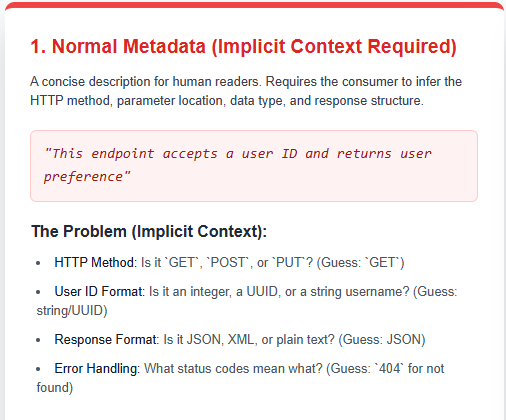
AI-ready APIs are designed to integrate effortlessly with AI models, providing structured, machine-readable data that AI systems can consume without ambiguity. Unlike traditional APIs, which may rely on human interpretation, AI-ready APIs prioritize consistency, clarity, and automation.
Key Features and Benefits
-
Machine-Consumable Metadata
AI models require explicit, structured data to function effectively. AI-ready APIs provide detailed metadata, including request types, parameter schemas, response structures, and object definitions. This eliminates guesswork and ensures AI systems can interpret and use the data accurately. -
Rich Error Semantics
Clear error messages are crucial for AI systems. AI-ready APIs include structured error responses with fields likecode,message,expected, andreceived. This helps AI agents self-correct and continue workflows without human intervention. -
Introspection Capabilities
AI systems rely on complete introspection to understand API functionalities. AI-ready APIs provide full schema documentation, defining all endpoints, parameters, data schemas, and error codes. This ensures AI agents can plan and execute tasks without relying on human context. -
Consistent Naming Patterns
Predictable naming conventions make APIs easier for AI systems to navigate. Consistent use of REST methods and uniform casing helps AI infer relationships and behaviors, reducing ambiguity and improving automation. -
Predictable Behavior
AI agents require strict consistency in API responses. AI-ready APIs enforce uniform naming, consistent error handling, and predictable data structures to ensure reliable performance. -
Proper Documentation
Comprehensive documentation is essential for AI systems. AI-ready APIs include clear, complete documentation that AI agents can use to discover endpoints, understand parameters, and recover from errors. -
Reliability and Speed
AI agents make rapid, parallel API calls, so speed and reliability are critical. AI-ready APIs are optimized for performance, ensuring they can handle high-volume requests without delays or failures. -
Discoverability
AI systems depend on standardized, discoverable specs to integrate APIs. AI-ready APIs are published on platforms like the Postman API Network, making them easily accessible to both developers and AI agents.
Use Cases in Financial and Business Environments
Automating Financial Workflows
AI-ready APIs streamline financial processes by automating tasks like fraud detection, risk assessment, and transaction processing. For example, a banking API that provides real-time transaction data can help AI models detect anomalies and prevent fraudulent activities.
Enhancing Customer Service
Businesses can use AI-ready APIs to power chatbots and virtual assistants. These APIs provide structured data that AI models use to respond to customer queries, resolve issues, and offer personalized recommendations.
Data Analysis and Insights
AI-ready APIs enable businesses to analyze large datasets efficiently. For instance, a retail API that provides sales data can help AI models forecast trends, optimize inventory, and improve supply chain management.
Setup Process and Cost
Step-by-Step Guide to Building AI-Ready APIs
-
Define API Specifications
Start by outlining the API’s purpose, endpoints, and data structures. Use tools like Swagger or OpenAPI to create a detailed schema. -
Implement Machine-Consumable Metadata
Ensure all endpoints include metadata that AI systems can interpret. This includes request types, parameter schemas, and response structures. -
Enhance Error Handling
Implement rich error semantics with structured error messages that include codes, messages, and expected/received values. -
Ensure Consistency
Use consistent naming conventions and enforce predictable behavior across all endpoints. This includes uniform naming, error handling, and data structures. -
Optimize Performance
Ensure your API is reliable and fast. Use caching, load balancing, and other optimization techniques to handle high-volume requests. -
Publish and Document
Publish your API on platforms like the Postman API Network. Provide comprehensive documentation that AI systems can use to discover and integrate your API.
Cost Considerations
The cost of building AI-ready APIs varies depending on the complexity and scale of the project. Factors to consider include:
- Development Costs: Hiring developers and using API development tools.
- Hosting and Maintenance: Costs associated with hosting the API and ensuring its reliability.
- Third-Party Services: Fees for using API management platforms like Postman or Apigee.
Comparison with Alternatives
Traditional APIs vs. AI-Ready APIs
| Feature | Traditional APIs | AI-Ready APIs |
|---|---|---|
| Metadata | Human-readable, may lack detail | Machine-consumable, explicit metadata |
| Error Handling | Vague error messages | Structured, detailed error responses |
| Consistency | May vary across endpoints | Enforces uniform naming and behavior |
| Documentation | May be incomplete or unclear | Comprehensive, AI-friendly documentation |
| Performance | May not be optimized for high volume | Optimized for speed and reliability |
| Discoverability | May not be easily discoverable | Published on API networks |
Conclusion
Creating AI-ready APIs is essential for businesses looking to leverage AI for automation, data analysis, and revenue generation. By focusing on machine-consumable metadata, rich error semantics, consistency, and performance, businesses can build APIs that seamlessly integrate with AI models. Whether automating financial workflows, enhancing customer service, or analyzing data, AI-ready APIs provide the foundation for scalable, efficient, and intelligent systems.
By following the best practices outlined in this guide, businesses can ensure their APIs are not only AI-ready but also future-proof, capable of evolving with the rapid advancements in AI technology.